PREMIUM LOGIN

ClassTools Premium membership gives access to all templates, no advertisements, personal branding and many other benefits!
 

Username:    
Password:    
Submit Cancel


Not a member?

JOIN NOW!


QR Challenge: AP Environmental Science Review

Created using the ClassTools QR Treasure Hunt Generator

Teacher Notes

A. Prior to the lesson:

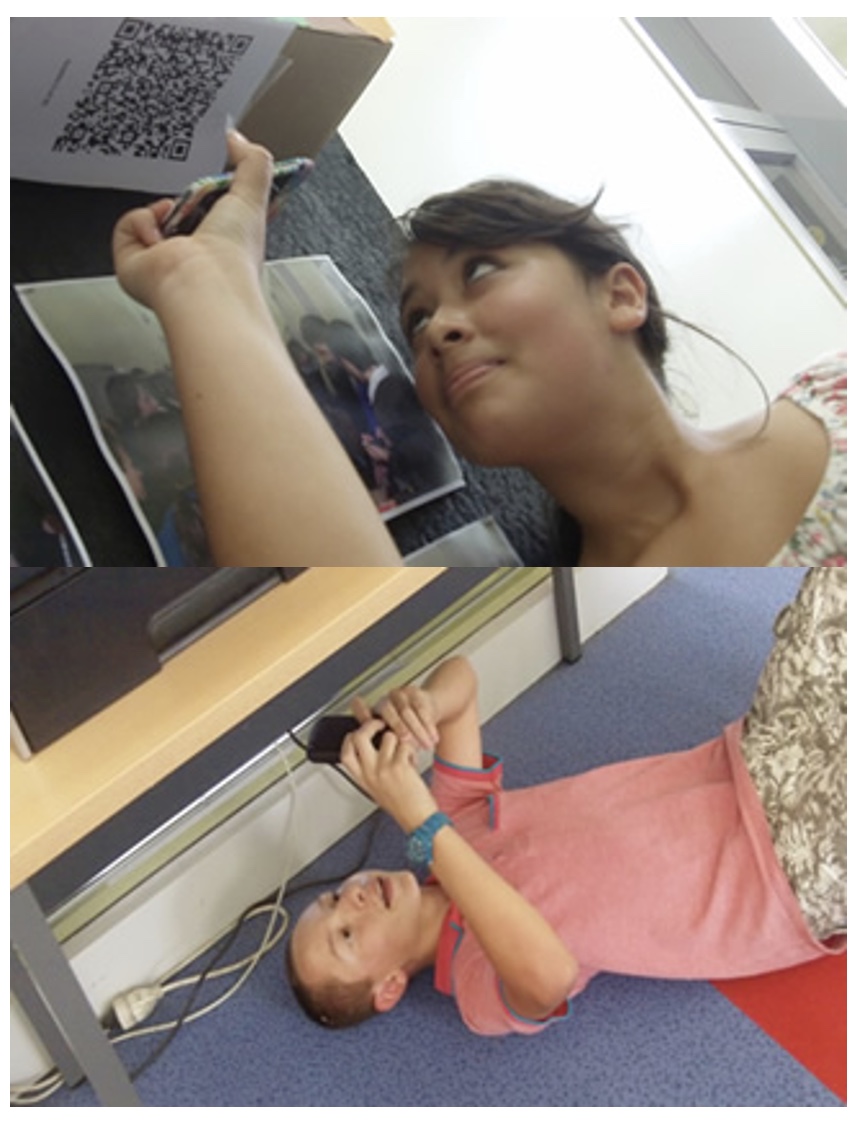
1. Arrange students into groups. Each group needs at least ONE person who has a mobile device.

2. If their phone camera doesn't automatically detect and decode QR codes, ask students to

3. Print out the QR codes.

4. Cut them out and place them around your class / school.


B. The lesson:

1. Give each group a clipboard and a piece of paper so they can write down the decoded questions and their answers to them.

2. Explain to the students that the codes are hidden around the school. Each team will get ONE point for each question they correctly decode and copy down onto their sheet, and a further TWO points if they can then provide the correct answer and write this down underneath the question.

3. Away they go! The winner is the first team to return with the most correct answers in the time available. This could be within a lesson, or during a lunchbreak, or even over several days!


C. TIPS / OTHER IDEAS

4. A detailed case study in how to set up a successful QR Scavenger Hunt using this tool can be found here.


Questions / Answers (teacher reference)

Question

Answer

1. 1. When two species have a close long-term interaction with one another, it is known as a symbiotic relationship. Identify and describe the three types of symbiosis. (1)
2. 2. Identify three major terrestrial biomes, and describe the characteristics of each. (2)
3. 3. Define primary productivity, and describe why it is important. (8)
4. 4. Define specialist and generalist species and explain which would be at a greater risk due to habitat loss. (14)
5. 5. A country has a population growth rate of 6 percent. How long will it take this country’s population to double? (43)
6. 6. Sketch a picture of convergent, divergent, and transform plate boundaries. Provide a summary of what is happening at each plate boundary (47).
7. 7. Describe the difference between the amount of solar radiation that is received at the north and south poles compared with the amount of solar radiation that is received at the equator, and explain why this is so. (64)
8. 8. Describe the kind of weather you would expect to fins off the Pacific Coast of South America during an El Nino event, and explain why. (67)
9. 9. The ocean is a shared resource. Explain the concept of the tragedy of the commons. (69)
10. 10. A farmer is trying to weight the benefits and costs of spraying pesticides on his crop. Describe both the benefit and costs of pesticide use for pest control. (75)
11. 11. What would be some human health concerns of mining practices? (81)
12. 12. Describe the advantages of urbanization. (82)
13. 13. Describe how fossil fuels are used to generate energy. In your description, make sure to include all steps. (99)
14. 14. Explain how a river can be used to generate electricity? (107)
15. 15. List the sources of carbon dioxide found naturally in our atmosphere. (123)
16. 16. Describe and give an example of a point and a nonpoint source of pollution. (131)
17. 17. Describe the cause and effect of thermal pollution on aquatic ecosystems. (138)
18. 18. Identify the gasses/ chemicals that are the major greenhouse gasses. (157)
19. 19. Describe coral bleaching, including what causes it and what happens to the corals to make them “bleached”. (167)
20. 20. Describe habitat fragmentation, and give an example of ways we are causing this. (180)


AP Environmental Science Review: QR Challenge

https://www.classtools.net/QR/decode.php?text=1._When_two_species_have_a_close_long-term_interaction_with_one_another,_it_is_known_as_a_symbiotic_relationship._Identify_and_describe_the_three_types_of_symbiosis._(1)

Question 1 (of 20)


AP Environmental Science Review: QR Challenge

https://www.classtools.net/QR/decode.php?text=2._Identify_three_major_terrestrial_biomes,_and_describe_the_characteristics_of_each._(2)

Question 2 (of 20)


AP Environmental Science Review: QR Challenge

https://www.classtools.net/QR/decode.php?text=3._Define_primary_productivity,_and_describe_why_it_is_important._(8)

Question 3 (of 20)


AP Environmental Science Review: QR Challenge

https://www.classtools.net/QR/decode.php?text=4._Define_specialist_and_generalist_species_and_explain_which_would_be_at_a_greater_risk_due_to_habitat_loss._(14)

Question 4 (of 20)


AP Environmental Science Review: QR Challenge

https://www.classtools.net/QR/decode.php?text=5._A_country_has_a_population_growth_rate_of_6_percent._How_long_will_it_take_this_country’s_population_to_double?_(43)

Question 5 (of 20)


AP Environmental Science Review: QR Challenge

https://www.classtools.net/QR/decode.php?text=6._Sketch_a_picture_of_convergent,_divergent,_and_transform_plate_boundaries._Provide_a_summary_of_what_is_happening_at_each_plate_boundary_(47).

Question 6 (of 20)


AP Environmental Science Review: QR Challenge

https://www.classtools.net/QR/decode.php?text=7._Describe_the_difference_between_the_amount_of_solar_radiation_that_is_received_at_the_north_and_south_poles_compared_with_the_amount_of_solar_radiation_that_is_received_at_the_equator,_and_explain_why_this_is_so._(64)

Question 7 (of 20)


AP Environmental Science Review: QR Challenge

https://www.classtools.net/QR/decode.php?text=8._Describe_the_kind_of_weather_you_would_expect_to_fins_off_the_Pacific_Coast_of_South_America_during_an_El_Nino_event,_and_explain_why._(67)

Question 8 (of 20)


AP Environmental Science Review: QR Challenge

https://www.classtools.net/QR/decode.php?text=9._The_ocean_is_a_shared_resource._Explain_the_concept_of_the_tragedy_of_the_commons._(69)

Question 9 (of 20)


AP Environmental Science Review: QR Challenge

https://www.classtools.net/QR/decode.php?text=10._A_farmer_is_trying_to_weight_the_benefits_and_costs_of_spraying_pesticides_on_his_crop._Describe_both_the_benefit_and_costs_of_pesticide_use_for_pest_control._(75)

Question 10 (of 20)


AP Environmental Science Review: QR Challenge

https://www.classtools.net/QR/decode.php?text=11._What_would_be_some_human_health_concerns_of_mining_practices?_(81)

Question 11 (of 20)


AP Environmental Science Review: QR Challenge

https://www.classtools.net/QR/decode.php?text=12._Describe_the_advantages_of_urbanization._(82)

Question 12 (of 20)


AP Environmental Science Review: QR Challenge

https://www.classtools.net/QR/decode.php?text=13._Describe_how_fossil_fuels_are_used_to_generate_energy._In_your_description,_make_sure_to_include_all_steps._(99)

Question 13 (of 20)


AP Environmental Science Review: QR Challenge

https://www.classtools.net/QR/decode.php?text=14._Explain_how_a_river_can_be_used_to_generate_electricity?_(107)

Question 14 (of 20)


AP Environmental Science Review: QR Challenge

https://www.classtools.net/QR/decode.php?text=15._List_the_sources_of_carbon_dioxide_found_naturally_in_our_atmosphere._(123)

Question 15 (of 20)


AP Environmental Science Review: QR Challenge

https://www.classtools.net/QR/decode.php?text=16._Describe_and_give_an_example_of_a_point_and_a_nonpoint_source_of_pollution._(131)

Question 16 (of 20)


AP Environmental Science Review: QR Challenge

https://www.classtools.net/QR/decode.php?text=17._Describe_the_cause_and_effect_of_thermal_pollution_on_aquatic_ecosystems._(138)

Question 17 (of 20)


AP Environmental Science Review: QR Challenge

https://www.classtools.net/QR/decode.php?text=18._Identify_the_gasses/_chemicals_that_are_the_major_greenhouse_gasses._(157)

Question 18 (of 20)


AP Environmental Science Review: QR Challenge

https://www.classtools.net/QR/decode.php?text=19._Describe_coral_bleaching,_including_what_causes_it_and_what_happens_to_the_corals_to_make_them_“bleached”._(167)

Question 19 (of 20)


AP Environmental Science Review: QR Challenge

https://www.classtools.net/QR/decode.php?text=20._Describe_habitat_fragmentation,_and_give_an_example_of_ways_we_are_causing_this._(180)

Question 20 (of 20)