Menu

Exhibitions, Books, Posters

Using a “TimeWipe” exercise to avoid anachronism and encourage empathy
Overview To avoid anachronism and to help students more deeply understand a particular time and place, challenge them to list the key features of the [...]
“Rice above the statistics”: using grains of rice for data visualisation
“The Big Picture”: convert a new topic into pictures, then the pictures into galleries
Overview When beginning a new topic, it is tempting to simply plunge into providing students with a question for investigation and then focusing on the [...]
The story of this topic – in 50 objects!
Collate “Historical Photobombs” into a short story to consolidate the ‘Big Picture’
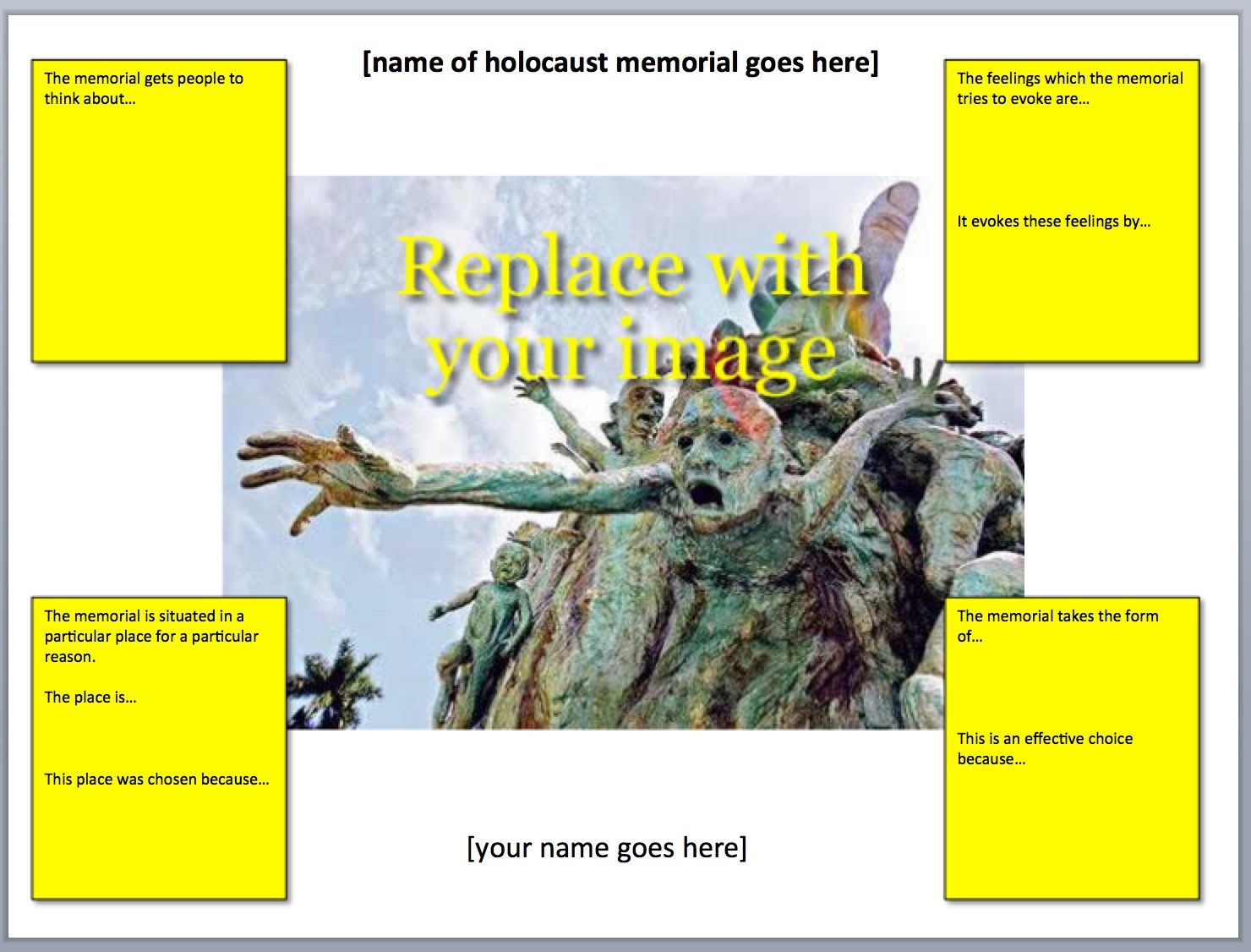
Design a memorial to consolidate knowledge and understanding
Overview At the end of a study project, challenge students to design a memorial to commemorate the event, theme, topic or individual. Example I use this [...]
“Design a DVD Inlay”
Make ‘Prejudice Maps’ to chart the cartography of ignorance!
Overview Get students thinking about the attitudes of people towards their world by constructing an ‘Atlas of Prejudice‘ as per the wonderful [...]
Design a 3D Virtual Museum Exhibition
As a way of encouraging focused research, or an effective means of summarising or revising a topic, I have coded this facility which allows students to  [...]

After studying a complex topic, challenge students to turn it into an illustrated storybook that can be understood by primary school students. Spend time in class talking through the main concepts, events and personalities that should be covered in a brief story. Consider too which images could be used to bring the subject to life.

In themselves these books can be useful revision aids, and could be peer-assessed. Even better however is to actually read them to students in a local primary school.

I use this technique successfully in two major projects:

  • Henry VIII – Hero or Villain?
    • In this exercise, Year 8 historians produce biased storybooks about Henry VIII. Half the class produce ‘positive’ books, half produce ‘negative’ books. In a subsequent lesson, different Year 5 students hear one ‘positive’ story and then one ‘negative’ story before completing a ‘wheel of life’ about Henry VIII where they try to reach a synthesis judgement.
Biased storybooks about Henry VIII ("Hero or Villain?")

Biased storybooks about Henry VIII (“Hero or Villain?”)

  • How did Hitler become Chancellor of Germany?
    • After completing a detailed investigation of the causes of Hitler’s rise to power, students produce a ‘Mr. Men’ storybook which they read to Year 6 students. In this exercise, the Year 6 students have an accompanying worksheet where their teams get points for correctly interpreting the different metaphors correctly.
IMG_0971

Reading “Rise of Hitler Mr. Men” books (Year 11 > Year 6)

A measure of how good this technique is can be gleaned from the fact that the former UK education secretary Michael Gove thinks this approach is rubbish.
Design a children’s storybook
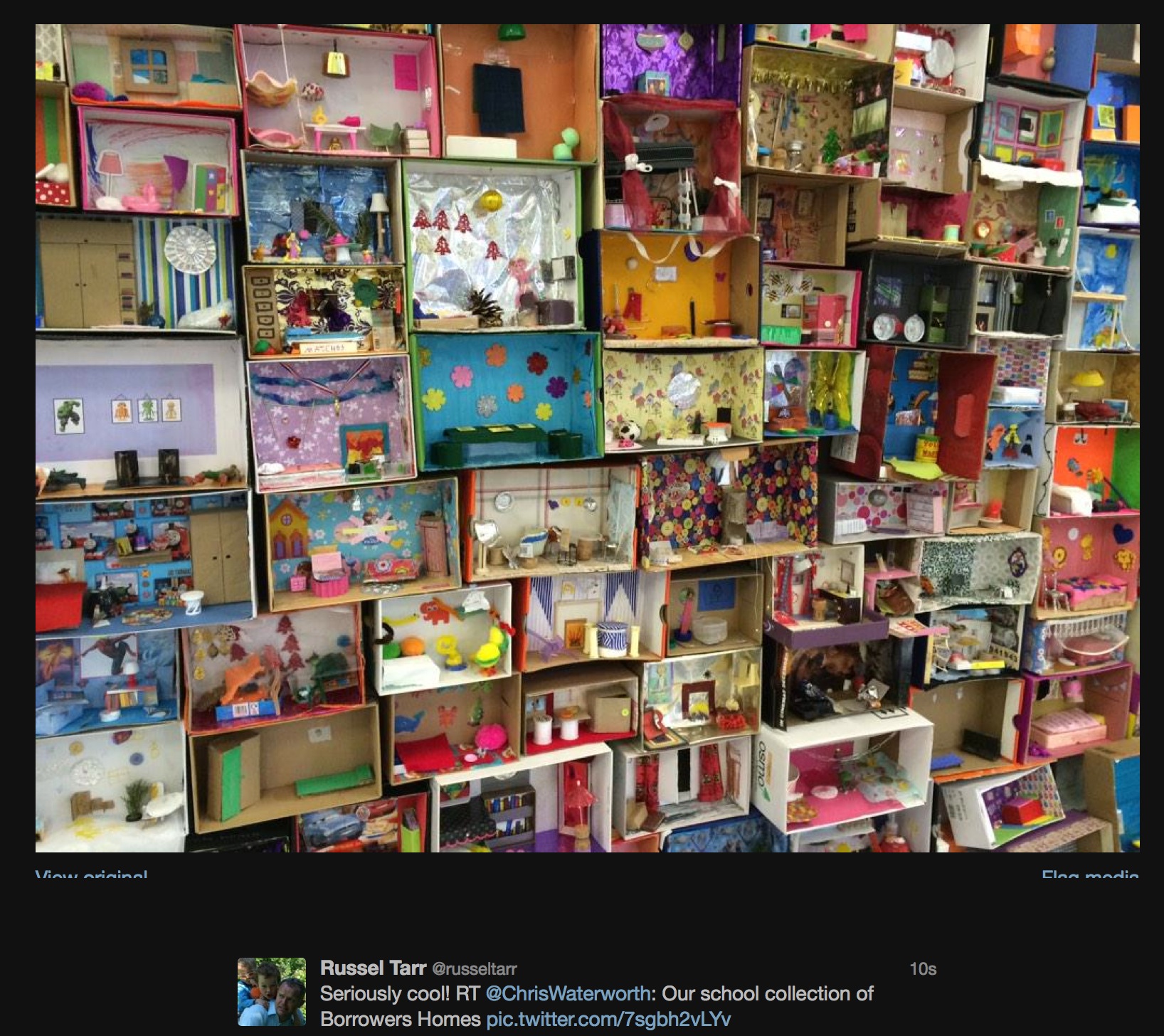
Museum in a Box
I really like this idea from @ChrisWaterworth, who shared this nice picture of “Our school collection of Borrowers Homes” as a primary school [...]
“Design a new page for your textbook”
Students identify an aspect of the topic that is not covered in sufficient detail in their standard level textbook. They then have to produce a page or a [...]

A great way to get students familiar with the key events of a historical person’s life and consider concepts of significance.

Stage 1: Start by outlining the central task 

[themify_box style=”purple comment rounded” ]

  • You are a Hollywood director producing a film about [person / topic].
  • You will produce a poster advertising your film, including:
    • – A dramatic title for the film
    • – 4 “Screenshots” from the film depicting the key events
    • Captions under each screenshot describing the events
    • – A cast list
    • – Some quotes from the film reviewers!
    • – Some ‘tie-in’ merchandise relevant to the topic

[/themify_box]

Provide students with a timeline of events. Read it through as a class then each student circles off four events that they think will work particularly well on the cinema screen. The example shown here comes from my Unit on Martin Luther at www.activehistory.co.uk.
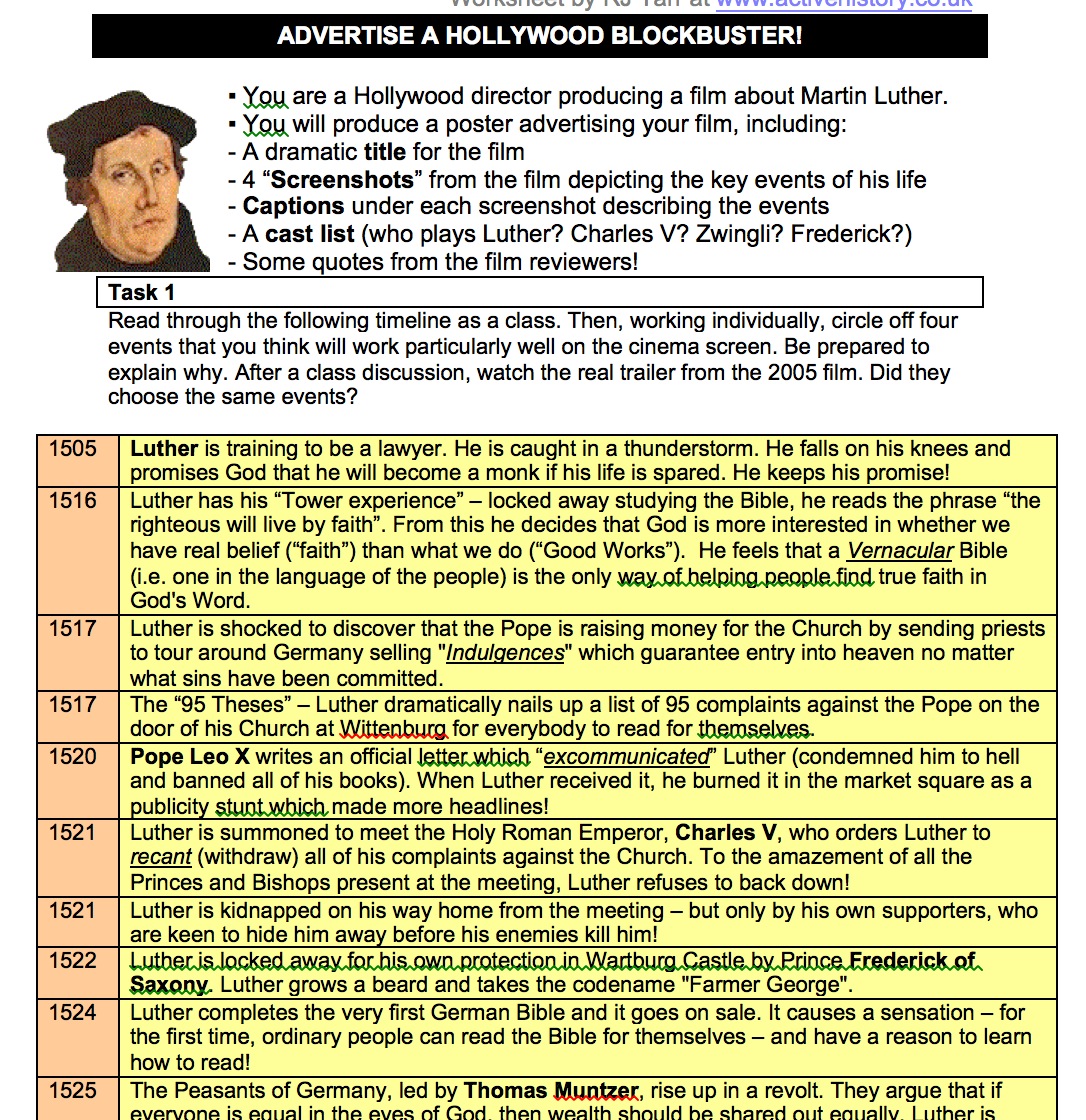
Screen Shot 2015-02-01 at 20.12.44

Stage 2: Completing the movie proposal form

The students are then provided with the Hollywood Film Poster: Proposal Form, which guides them through the following questions:

[themify_box style=”purple comment rounded” ]

  • What will be the title / strapline of your film? (decide whether you want to depict the main character as a hero or a villain. Discuss as a class first some famous film titles).
  • What 4 events will you choose to focus on? (aim for different moods: drama, suspense, humour, violence, romance…)
  • Choose 5 people from the timeline: Which famous actors would you use to play each of these characters?
  • What sorts of reviews would you include?
  • What sort of merchandise could you advertise as a ‘tie-in’ promotion?

[/themify_box]

Stage 3 [optional]: Developing the cast list

Provide the students with a copy of a PowerPoint template with the main characters listed in it, and space for them to put alongside their choice of actors. From my experience this works well as a homework exercise and they always have great fun sharing these ideas afterwards:
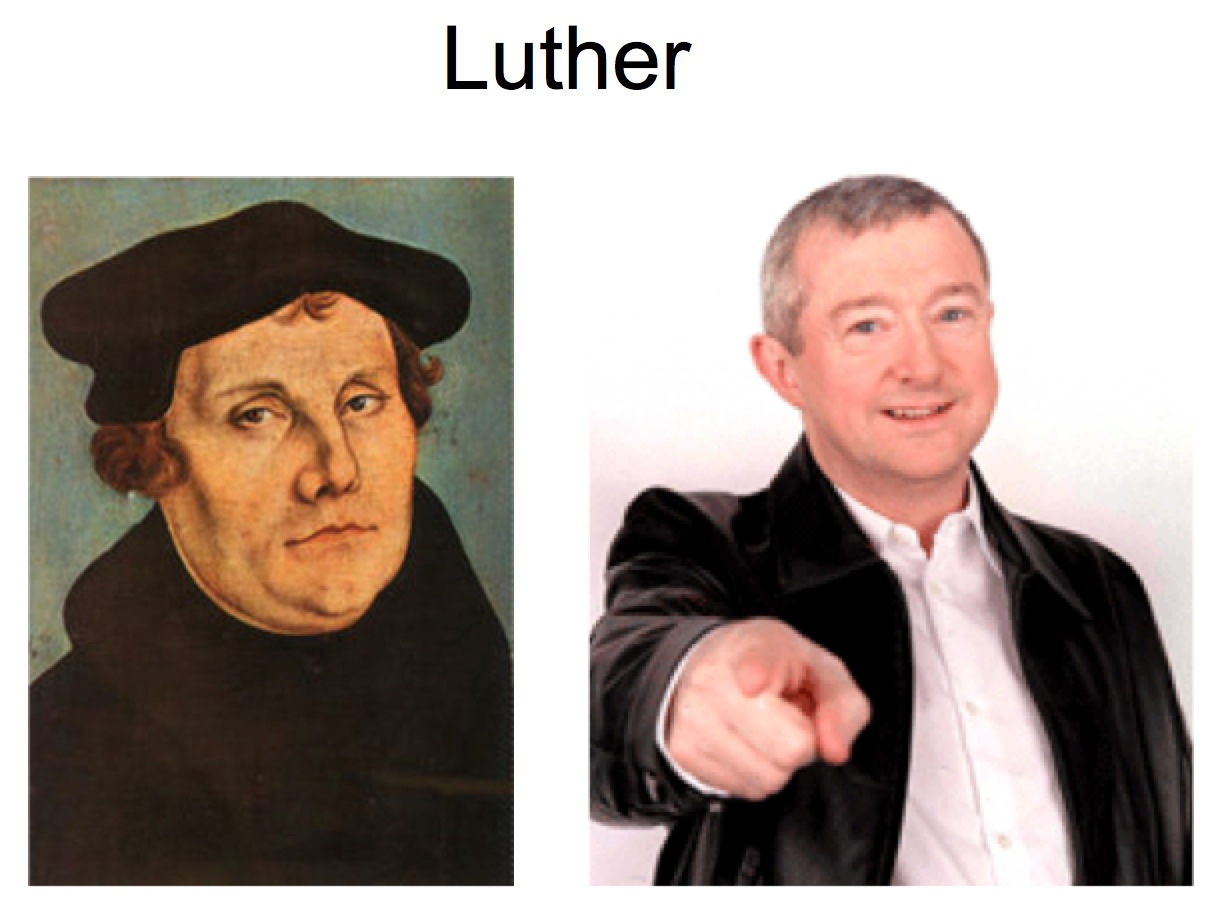
Screen Shot 2015-02-01 at 20.19.32

Stage 4: Producing the poster

At this stage the students are ready to produce the poster using the Mark Scheme Template.

Taking it further

Some students might want to create an actual movie trailer rather than a poster (see the example above!)

Downloads:

Hollywood Film Poster: Proposal Form

Hollywood Film Poster: Mark Scheme
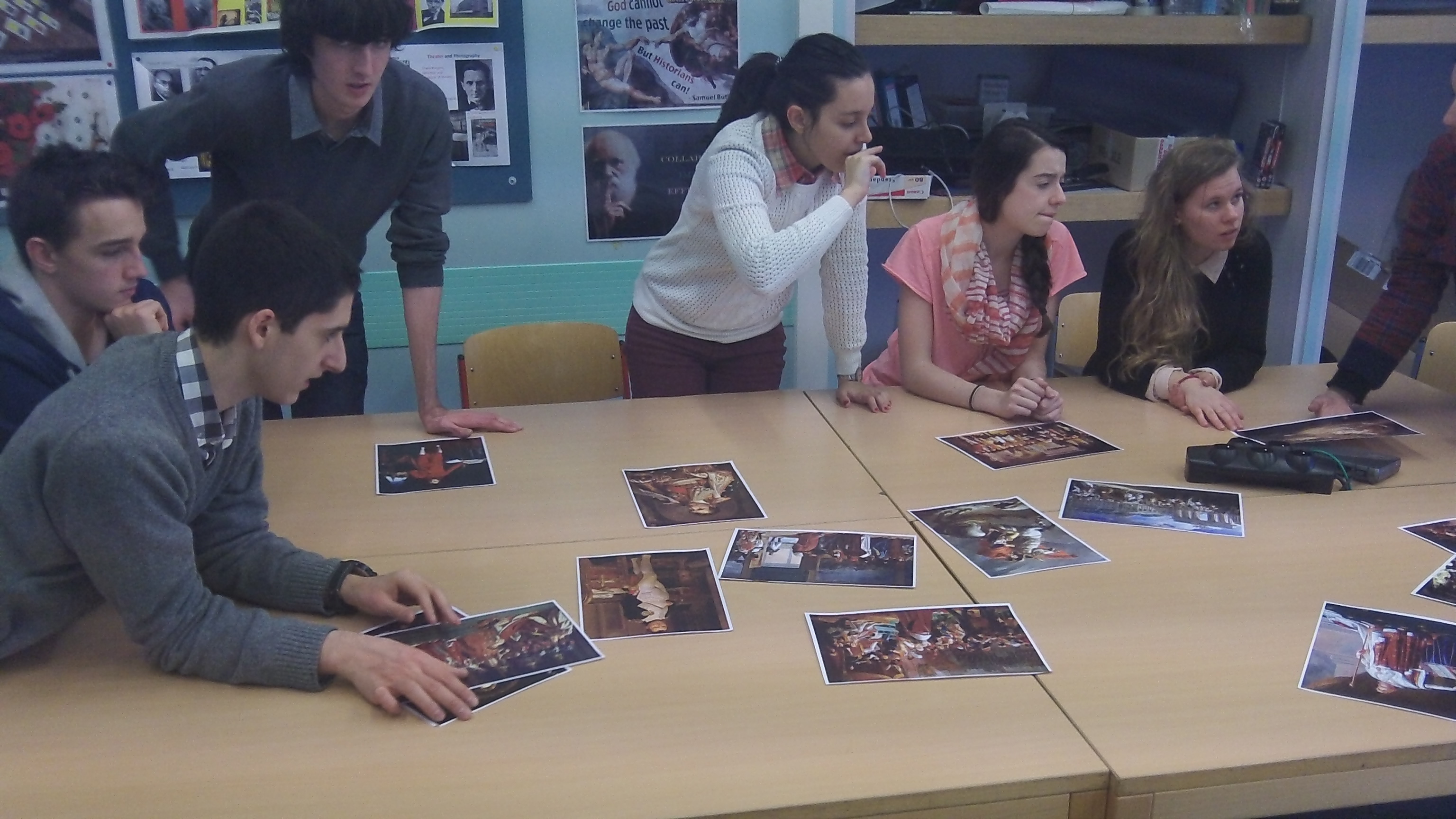
 

Students design a Hollywood Film about the study topic
Curate a Museum Exhibition