Quick and easy ideas to spice up your lessons, brought to you by @russeltarr. I teach History but many of these ideas will be transferable to other subjects too!
Overview Charting the changing relationship between nations and individuals over time is an important part of identifying key turning points as well as [...]
Overview Students are presented with four simple images (or statements) and challenged to give a reasoned answer to the question “Which one doesn’t [...]
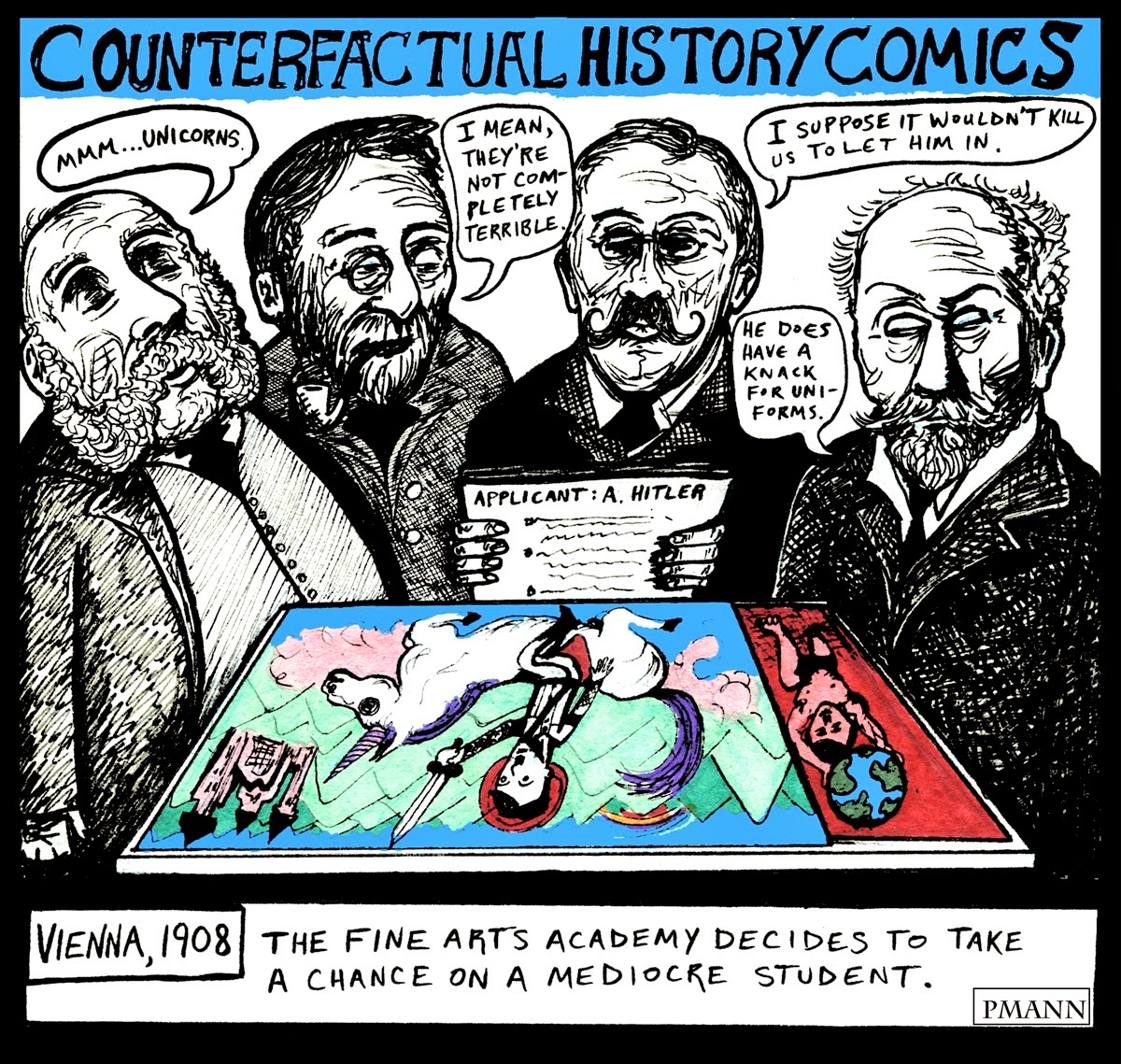
Overview To help students decide how important a factor was in causing a particular event, ask them to consider whether events would have turned out [...]
The use of Diamond Templates is very effective to help students summarise and prioritise key factors when answering a question. However, they have a lot of [...]
One of the most important skills for students to develop is the ability to make connections between factors to reach a sustained, sophisticated judgement. [...]
This whole-class game is a great way firstly to summarise issues of cause or effect, and then (most importantly and most challengingly) to link them [...]