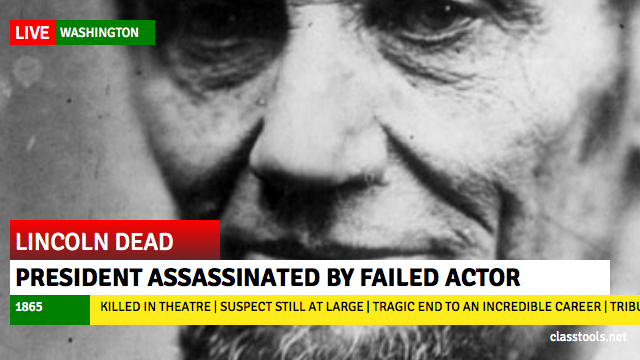
In order to get students thinking about the essence of a topic, ask them to produce a “Breaking News!” screenshot using the ClassTools Breaking [...]
15th May 2015
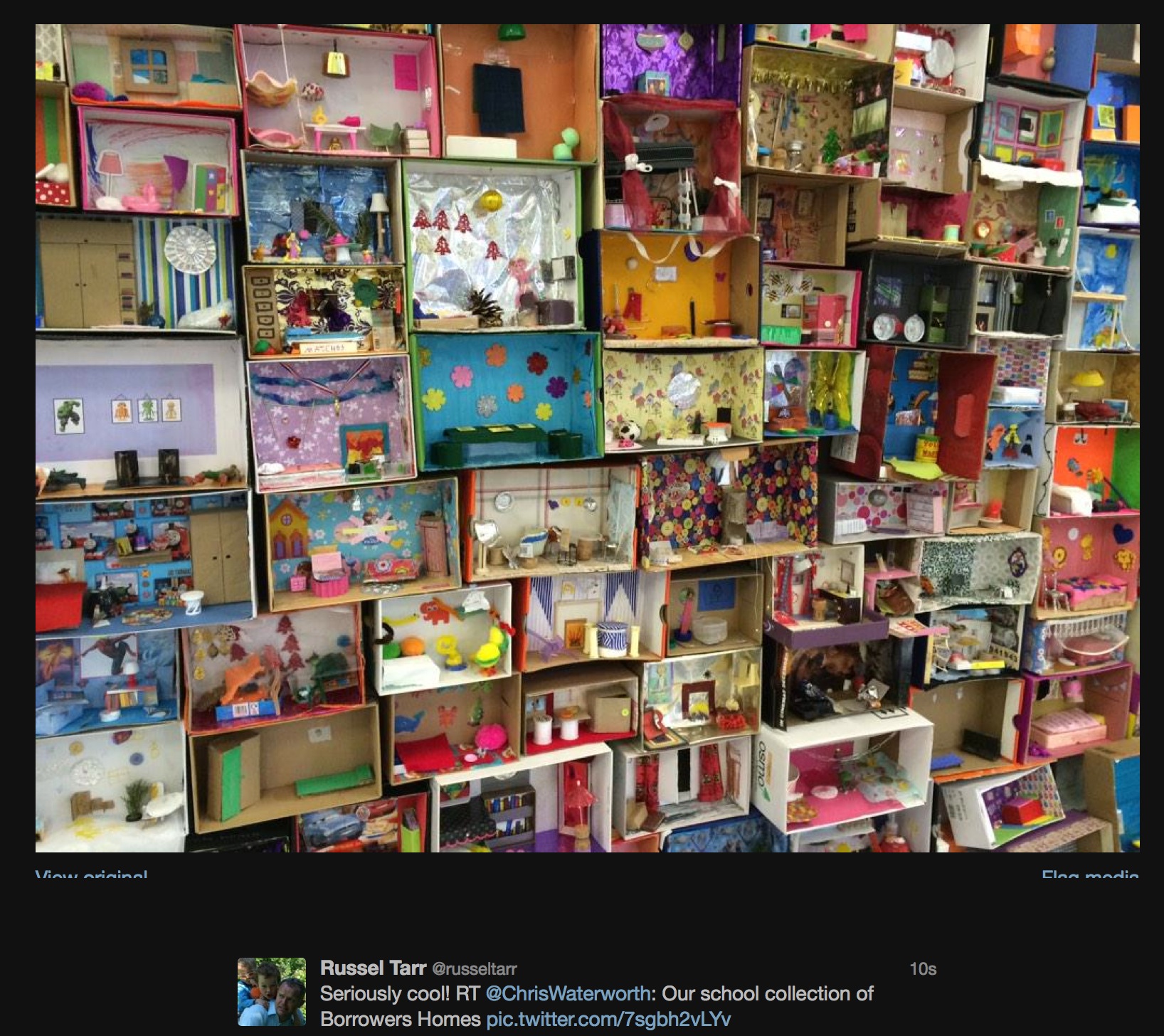
After studying a complex topic, challenge students to turn it into an illustrated storybook that can be understood by primary school students. Spend time in class talking through the main concepts, events and personalities that should be covered in a brief story. Consider too which images could be used to bring the subject to life.
In themselves these books can be useful revision aids, and could be peer-assessed. Even better however is to actually read them to students in a local primary school.
I use this technique successfully in two major projects:

Biased storybooks about Henry VIII (“Hero or Villain?”)

Reading “Rise of Hitler Mr. Men” books (Year 11 > Year 6)
A measure of how good this technique is can be gleaned from the fact that the former UK education secretary Michael Gove thinks this approach is rubbish.

A great way to get students familiar with the key events of a historical person’s life and consider concepts of significance.
Stage 1: Start by outlining the central task
[themify_box style=”purple comment rounded” ]
[/themify_box]
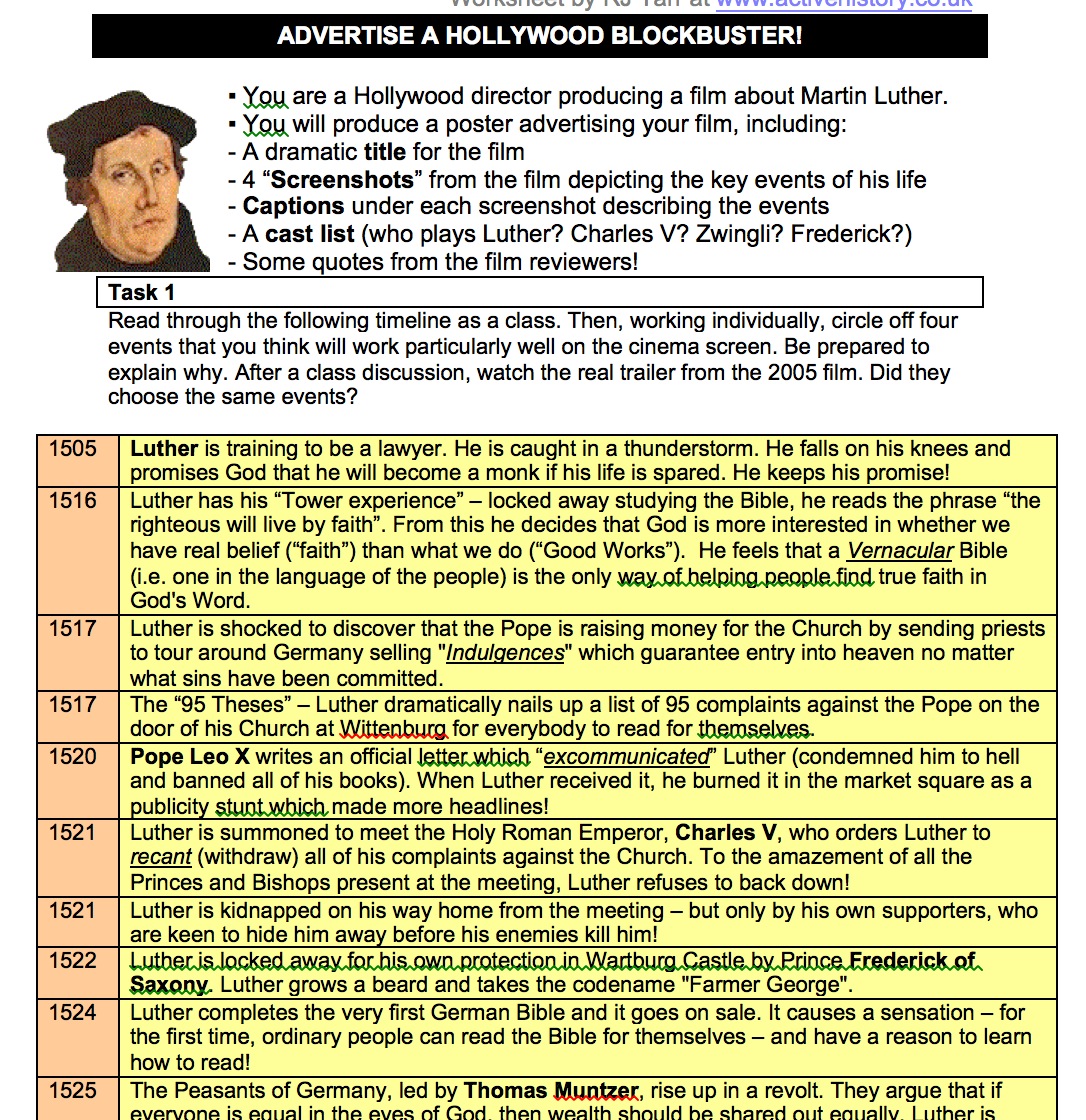
Provide students with a timeline of events. Read it through as a class then each student circles off four events that they think will work particularly well on the cinema screen. The example shown here comes from my Unit on Martin Luther at www.activehistory.co.uk.
Stage 2: Completing the movie proposal form
The students are then provided with the Hollywood Film Poster: Proposal Form, which guides them through the following questions:
[themify_box style=”purple comment rounded” ]
[/themify_box]
Stage 3 [optional]: Developing the cast list
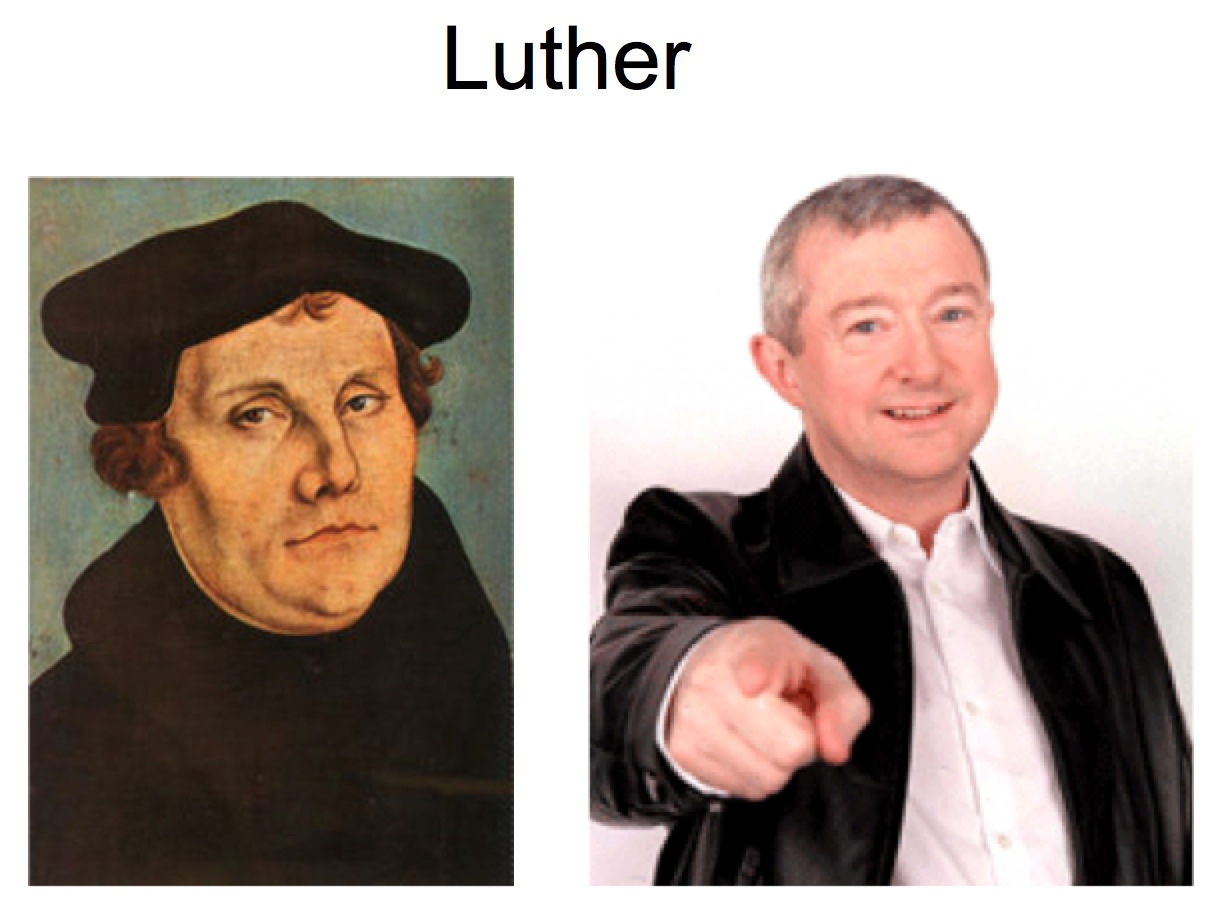
Provide the students with a copy of a PowerPoint template with the main characters listed in it, and space for them to put alongside their choice of actors. From my experience this works well as a homework exercise and they always have great fun sharing these ideas afterwards:
Stage 4: Producing the poster
At this stage the students are ready to produce the poster using the Mark Scheme Template.
Some students might want to create an actual movie trailer rather than a poster (see the example above!)
Downloads:
Hollywood Film Poster: Proposal Form
Hollywood Film Poster: Mark Scheme